ACL & meniscus,
before and after surgery:
step by step back to your sport
From 800+ clients after ACL surgery: getting ready before the operation, your first session after leaving the hospital, and return-to-sport testing. ACL injuries often come with a meniscus injury, so we plan for both. At every stage, you move on only when your ability is there.
We only do strength training. Our coaches can coach in basic English.
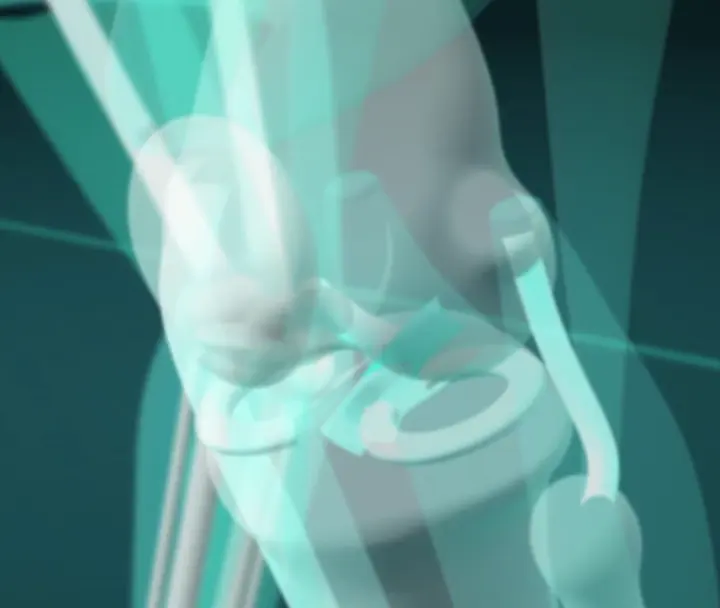
Which part is injured
changes how you train
| Part | What it does | Often injured when |
|---|---|---|
| ACL (anterior cruciate ligament) | Stops the shin from sliding forward; steadies the knee when you turn | Landing from a jump, sudden stops, turning |
| PCL (posterior cruciate ligament) | Stops the shin from sliding backward | A hit to the front of the knee, falling onto your knees |
| Meniscus | The cushion between thigh bone and shin bone; absorbs impact | Twisting with the knee bent |
A simple guide for education. Your doctor’s assessment of your knee comes first.
Surgery fixes the structure.
Strength training wins back the points.
A perfect operation repairs the structure as well as possible, but that is only about 10–20 points. The other 80 points come back step by step, with strength training in the right direction.
An illustration. Everyone progresses differently; we confirm with test numbers, not days.
Every step, planned
Months are only a guide. You move on when your ability is there.
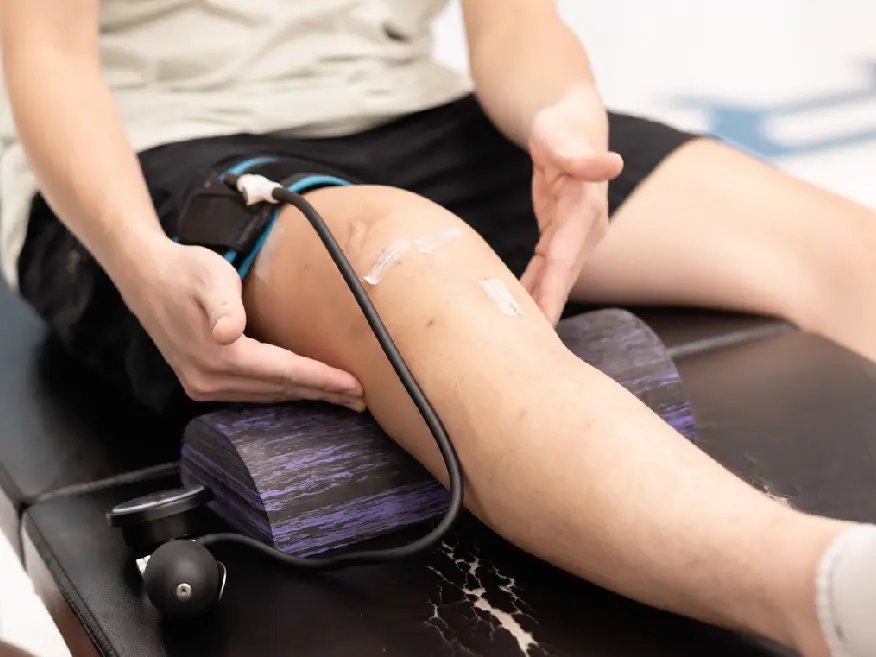
Get the basics back
- Get your knee’s range of motion back
- BFR (blood flow restriction) strength training: work your thigh even before you can put weight on the leg
- Basic balance; off crutches and braces
Let the leg take the load again
- Start heavier strength training
- Close the gap in thigh size between your legs
- Jogging, cycling, hiking
Speed and jumping
- Agility and speed
- Jumping and landing
- Return-to-sport tests
Back on the court
- Pass the return-to-sport tests
- Sport-specific movements and details
- We’re with you when you go back
- Full force curves: see whether you’re holding back or simply not strong enough
- Compare with athletes and see how far you are from returning
- Comes with a strength training plan and a return-to-sport checklist
60 minutes, one-on-one
We suggest 2–3 sessions a week. No need to pay all at once: installments are available.
60 minutes one-on-one
The most common choice for a steady block of strength training
From after surgery all the way back to your sport
If you’re committed to getting back,
Project RTS will help with the cost
VIP takes another 5% off the 20- and 30-session prices. We want to help more people get back to their sport, and we’d like to tell your story: when you graduate, your return becomes part of our documentary series.
- When you graduate, we film your return-to-sport documentary, and you agree to let us use it
- You share it in our Facebook group for people with cruciate ligament injuries (in Mandarin)
When you graduate, you’re also welcome to leave an honest Google review, so the next injured person can avoid detours (not tied to the discount).
No need to pay all at once: start with monthly installments
Strength training takes time. Paying in installments keeps both your life and your strength training on track.
NT$60,662 in total, about NT$353 more per month than paying in full
NT$128,660 in total, about NT$658 more per month than paying in full
Based on VIP prices (30 sessions NT$56,430, 60 sessions NT$112,860); the first payment differs slightly. Subject to approval.
In any of these cases, come and see us
Getting ready for surgery
Start 1–2 months before the operation and build the range of motion and strength you’ll need after it.
Your doctor suggests not operating for now
A partial ligament or meniscus tear: train for 3–6 months first. If you’re doing well, you can graduate early.
Some time after surgery, still stuck
Your thighs differ by more than 2 cm, your strength hasn’t come back, running and jumping don’t feel right.
Back to your sport, with confidence
We check your ability by athletes’ standards, to lower the chance of another injury.
Never had a return-to-sport test
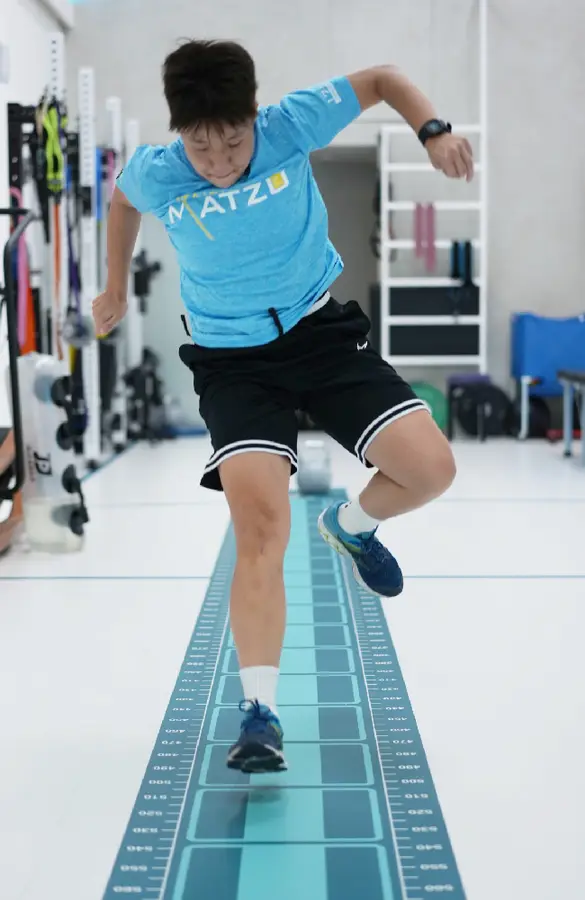
Single-leg hop, triple hop: let the data show whether you’re ready.
Other areas
PCL, meniscus, Achilles tendon, ankle: before and after surgery.
Train like you’re on the court
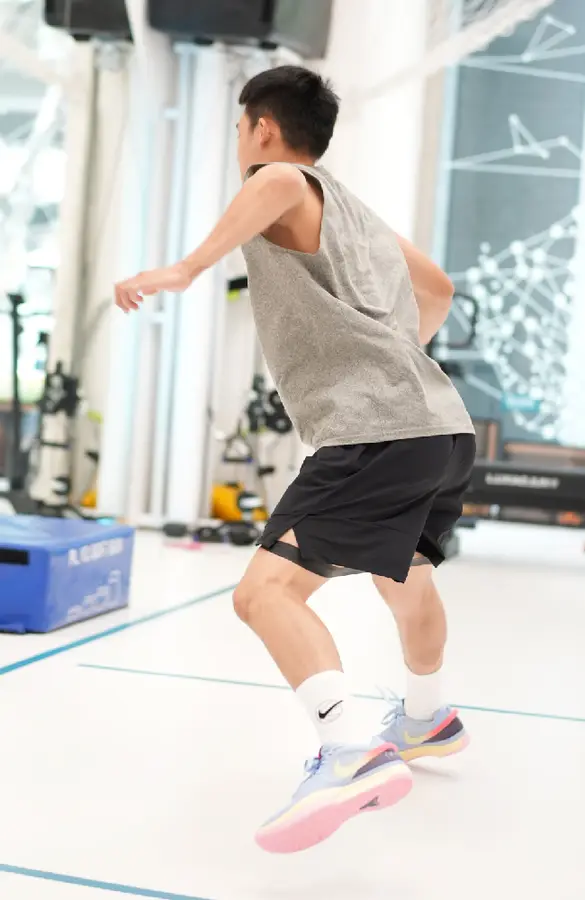
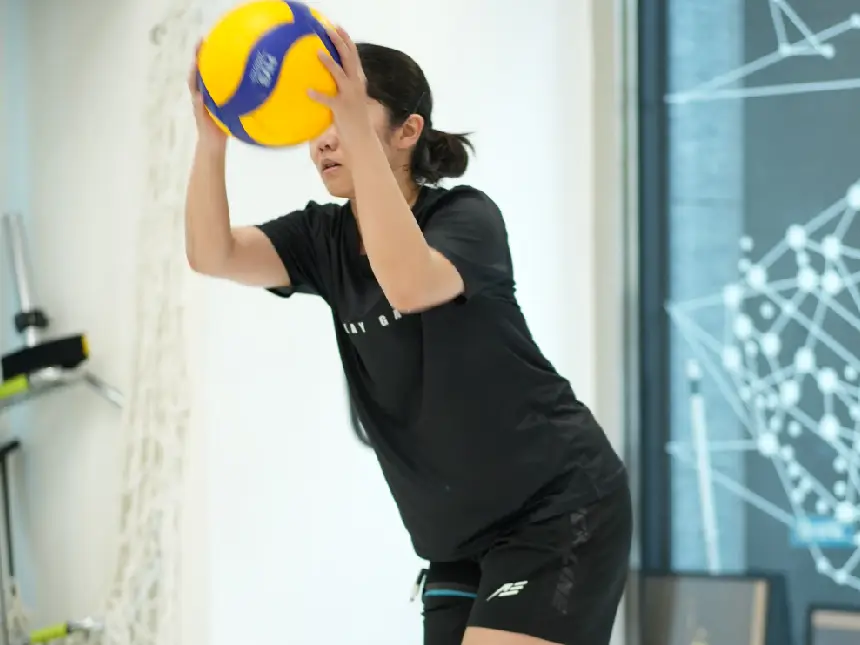
BFR strength training equipment, a non-motorized treadmill, a strength dynamometer and a force plate, plus badminton and volleyball nets and a basketball hoop.
BFR strength training
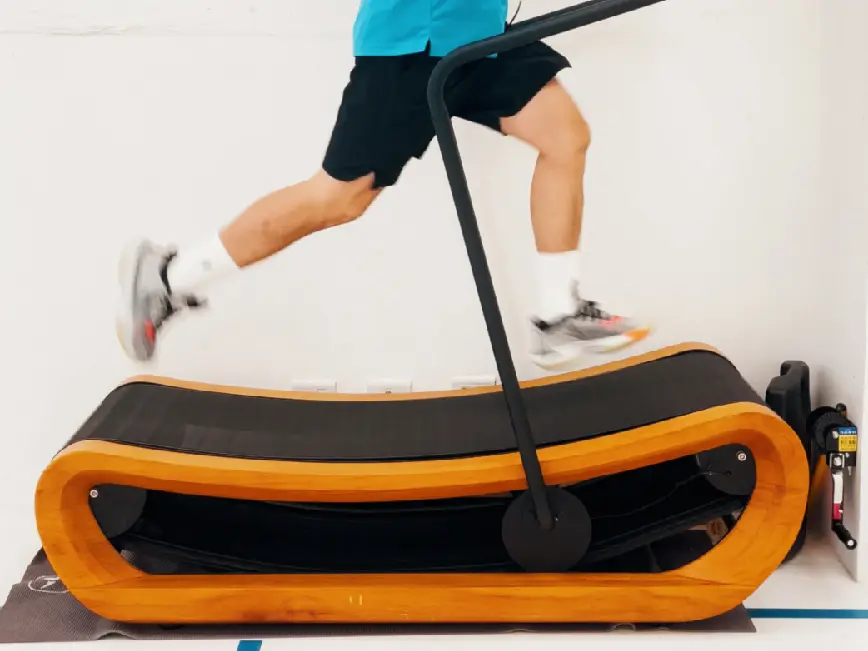
Non-motorized treadmill
Strength training
Sport-specific strength training
ACL & meniscus strength training after surgery
My ACL and meniscus were injured together. Is the strength training different?
Yes. If your meniscus was repaired, bending and weight-bearing are usually more limited in the first weeks, following your doctor’s instructions; if part of it was removed, progress is usually faster. Your coach first looks at your surgery and your doctor’s instructions, then plans each stage.
How soon after surgery can I start?
Right after you leave the hospital. You can also start strength training 1–2 months before the operation. The earlier you start, the less muscle you lose.
How long is a session? How many a week?
60 minutes, one-on-one. Usually 2–3 a week, adjusted together as you progress.
My surgery was 1–2 years ago and my knee still feels stiff. Is this for me?
Yes. Start with a strength & power assessment and we’ll suggest sessions and strength training based on the results. Book your first session and the basic strength & power assessment is free (worth NT$2,500).
How long until I’m back in my sport?
Everyone is different, so we don’t promise a number of days. For most recreational athletes it’s about a year to a year and a half; we suggest going back once the return-to-sport tests confirm your ability.
Where does the VIP 5% come from?
If you’re committed to getting back, Project RTS will help with the cost: when you graduate, we film your documentary (with your permission to use it) and you share it in our Facebook group. Then you get another 5% off the 20- or 30-session price.
Can I train in English?
Yes, in basic English. Our coaches can explain the movements and talk with you in simple English during your sessions.